You have an AI product to build. Do you choose a proprietary frontier model and get moving quickly? Build on an open model and gain greater control? Fine-tune your own version? Change strategy six months from now when the economics and capabilities shift again? There may not be one right answer. But for founders, choosing badly can affect almost everything that follows — cost, infrastructure, margins, differentiation, speed, and control. This isn’t a philosophical argument about open source. It’s a business decision being made right now inside startups of every size.
Dive deep into this AI debate with 10,000+ tech leaders at Disrupt by getting your pass. Register now and save up to $200 before prices go up on September 25 at 11:59 p. Open models have advanced quickly. Nvidia said in July that 145 papers accepted at ICML 2026 cited its Nemotron open models and datasets, alongside research using other Nvidia open model families across robotics, autonomous vehicles, and biomedical research. At the same time, proprietary frontier labs continue pushing model capabilities forward.
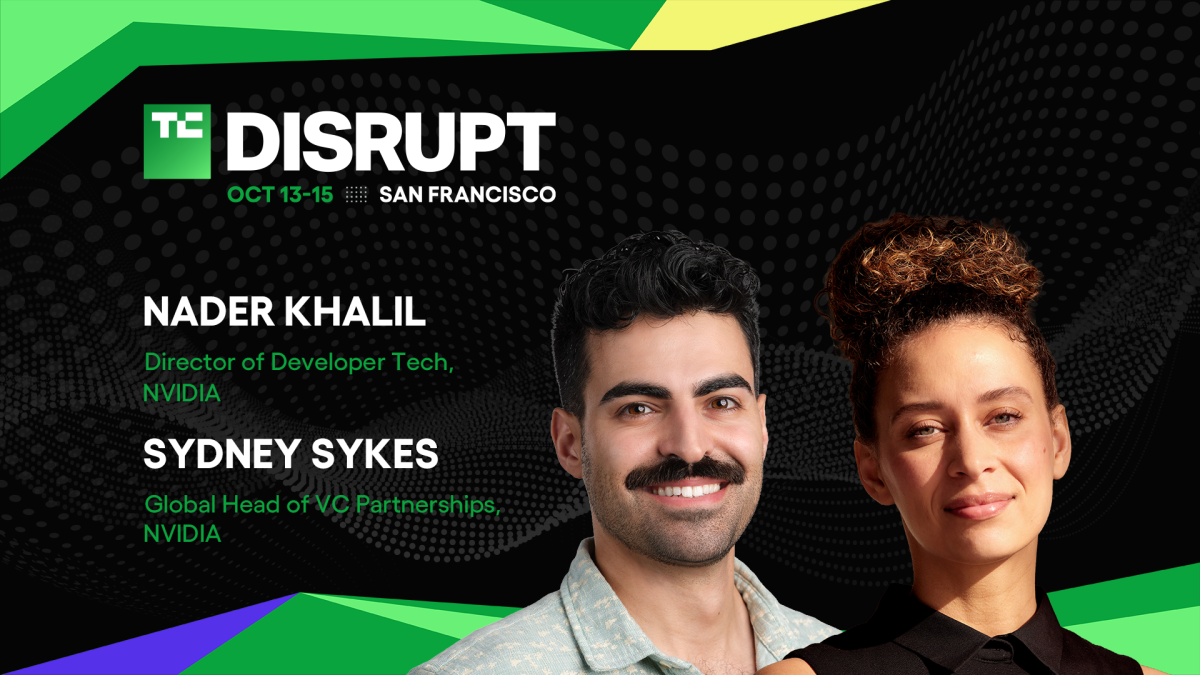
The result is a market where the question is increasingly less about whether open models can be useful and more about where each approach makes commercial sense. Even Nvidia rejects a simple either-or framing. At GTC earlier this year, CEO Jensen Huang argued that the future is not proprietary versus open, but proprietary and open. That sounds straightforward until you have to build a company around the decision. Nader Khalil approaches the discussion from the builder and infrastructure perspective. Before becoming Nvidia's Director of Developer Tech, where he leads open source and local AI, he co-founded Brev.
dev, an AI infrastructure company acquired by Nvidia in July 2024. dev was built around simplifying access to GPU infrastructure across different environments. Nvidia's developer documentation described its tools as allowing developers to deploy AI software across public cloud, private cloud, and on-premises infrastructure without locking themselves into a single compute source. Sydney Sykes , meanwhile, brings the venture ecosystem into the discussion as Nvidia's Global Head of VC Partnerships.