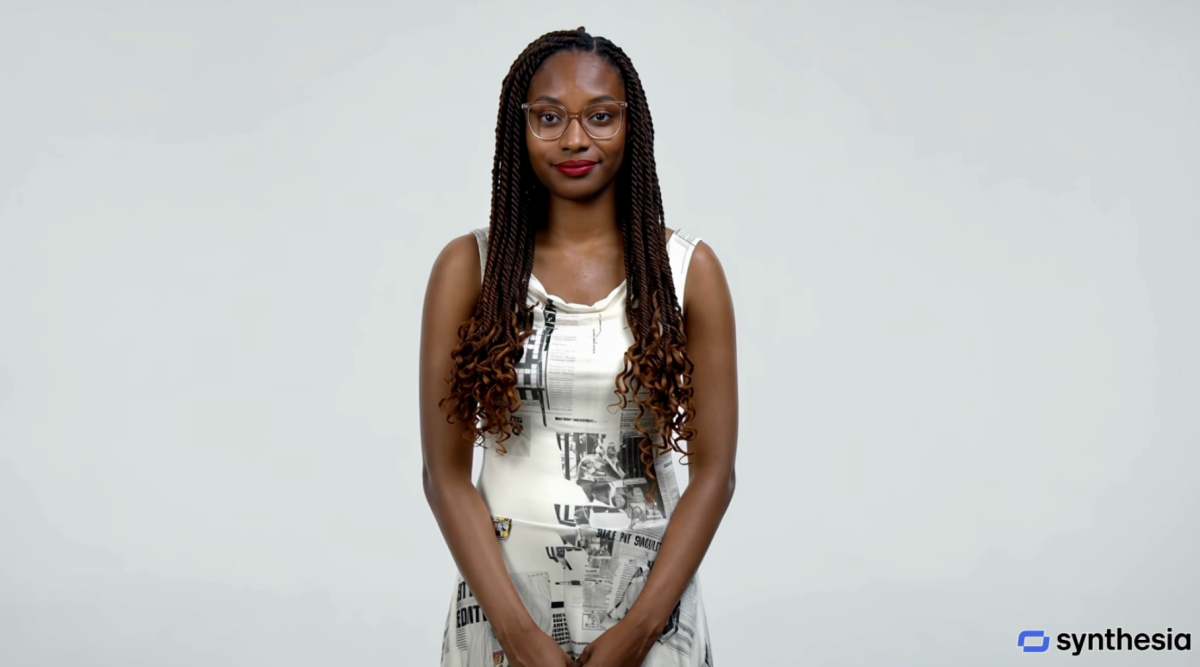
When Alexandru Voica, head of corporate affairs at the video-generation startup Synthesia, sent me a link this summer to the newest addition to their PR team, I was surprised. It was an interactive virtual avatar of him, trained to answer common press questions about Synthesia, like what it does and how it works. The day before, I was on a panel where PR people asked me if I minded pitches that used AI-generated text. But Alexandru's avatar was beyond that — this seemed to me the final boss of using AI in PR. In September, Synthesia invited me to its new office space in New York. Originally based in the U.
, Synthesia is a hot digital avatar startup alongside others like D-ID, HeyGen, and Colossyan. It hit a $4 billion valuation earlier this year and said last year it had crossed $100 million in ARR . Synthesia lets enterprises build interactive training videos with AI avatars and recently launched a product called Roleplay Sessions that lets employees practice, for example, sales pitches with an interactive AI avatar that responds and scores their responses. When I went to the new office opening and they asked me if I would like my own AI avatar, I didn’t even hesitate to say yes.
Of course I would like my own digital twin. My outfit was cute that day, and my hair was in place. Until I met my digital twin, I had been indifferent toward avatars, but I felt they would inevitably become part of everyday online life. I heard of people on Instagram creating them in their likenesses to help them make social content. I find it all to be very interesting, and it's perhaps why I have no qualms now presenting to you my digital twin. This is the first time Synethsia has made a digital avatar for a journalist (or for anyone, period, outside of Voica).
It is trained on my story about why venture-backed startups commit more fraud than non-VC-backed startups and will only answer questions about that story. To make this, I entered a mini film studio nestled inside Synthesia’s office where they took numerous photos of me and captured a two-minute recording of my voice. I had to consent to these avatars being made and, well, digital Dom was born.