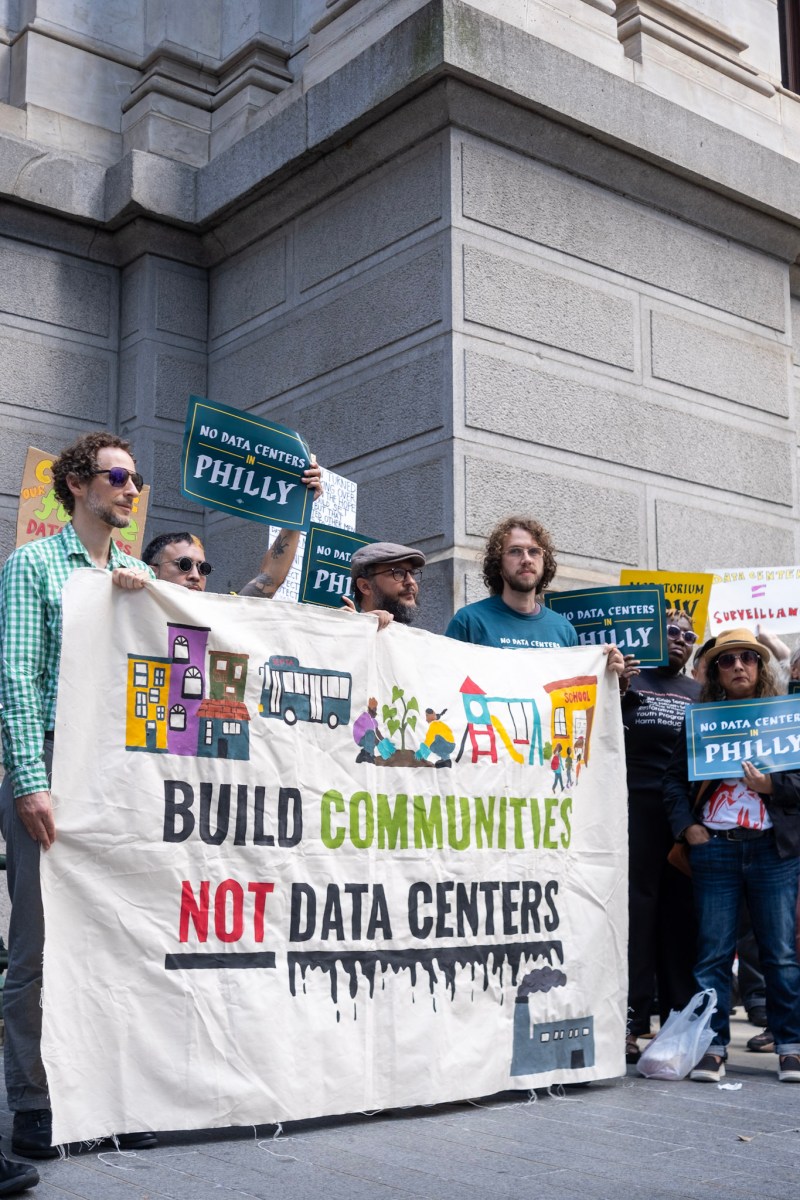
Amazon recently followed Microsoft’s lead and said it will no longer use nondisclosure agreements (NDAs) while negotiating with local governments over data centers. On the latest episode of TechCrunch’s Equity podcast , Sean O’Kane, Rebeccan Bellan and I discussed Amazon’s announcement, which came in the middle of a longer blog post making the case that data centers are actually good for communities.
Rebecca was a bit skeptical that the recent spate of data center moratoriums will have a lasting effect, especially since the moratoriums only last for a year or two and “these data centers aren't coming online for the next two, three, four, five years,” though I countered that data center backers definitely seem worried. Sean, meanwhile, suggested that a big reason for the backlash is the industry’s poor communication.
“We've seen, through a lot of the controversy and backlash to AI and data centers, that the industry just does a really poor job explaining itself, and that they are obviously and constantly frustrated with the fact that most people can't envision a world in which this stuff is useful for them,” he said. Keep reading for a preview of our conversation , edited for length and clarity. Sean O’Kane: It’s an interesting thing that it was sort of buried in the blog post and part of a larger story that Amazon's clearly trying to tell.
I guess I understand why they weren't putting it in the foreground, but to me, this is at the root of so many of the problems that the tech industry currently faces when it comes to AI broadly, but data centers in particular. There are so many things that could be said about whether or not people should be worried about the effect that data centers have on their property values, on their electricity bills, on their water usage in the area, and whether or not those things are real problems, inflated problems, etc.