The tool is an expansion of Attie, Bluesky's more experimental platform , which initially offered AI-powered technology for building custom social feeds. With its new creation capabilities, the idea is to allow everyday users to create the kind of experiences that previously only software developers could build. These user-created games, sites, and other experiences will also live on the same AT Protocol (atproto) that powers Bluesky and other decentralized social apps that make up the decentralized social web known as the Atmosphere.
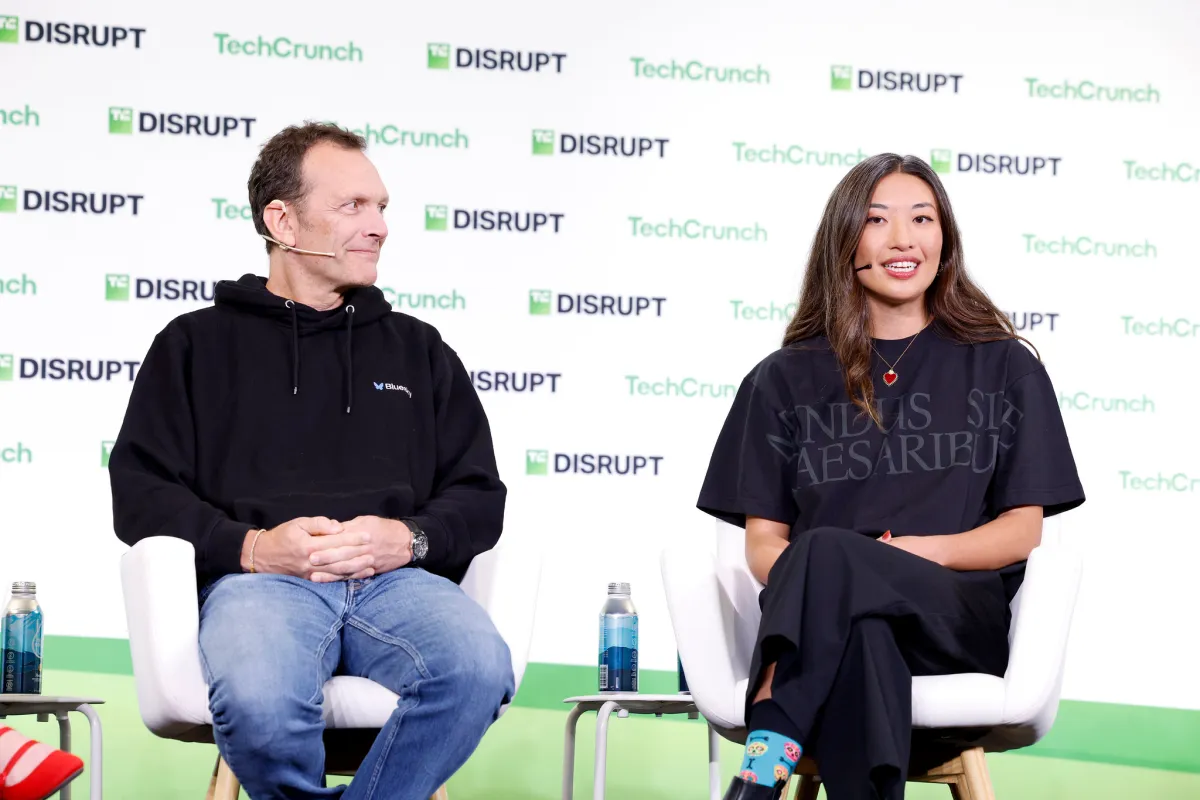
Bluesky CEO Toni Schneider shared the news of Attie's new capabilities during an interview at Disrupt, saying, "We're adding a feature to our Attie product that allows you to build sites and social experiences again for a group of people. So think of it as… social vibe coding or vibe coding for your community. " The exec, a former CEO of Automattic and a partner at True Ventures, had previously been leading the company on an interim basis after former CEO Jay Graber stepped down in March to become Bluesky's chief innovation officer. Now, he's taking charge of the company as it enters the AI era.
Attie offers Bluesky a playground where it can try out AI-powered ideas like this. "Vibe coding today is kind of a single-user, solo experience," Schneider explained. "And what I want to be able to do is build together or build for a group of people, and that's what this product does. " When creators build with Attie, they're connected to their atproto identity. Plus, Attie will suggest things users might want to make based on their public Bluesky profiles.
To build with Attie, users can bring their own AI model or use open-weight options, and the resulting sites and games can then tap into Bluesky's wider audience, noted Bluesky COO Rose Wang. "Everybody is building…But the big question is: who's using the thing you're building, because we haven't solved that problem with distribution," she said. "This is what makes Attie so interesting is that it comes with the Bluesky distribution, so it doesn't stand alone. " That network today has 47 million registered users , though it's seen a decline in engagement, as some users who tested it out later returned to X.