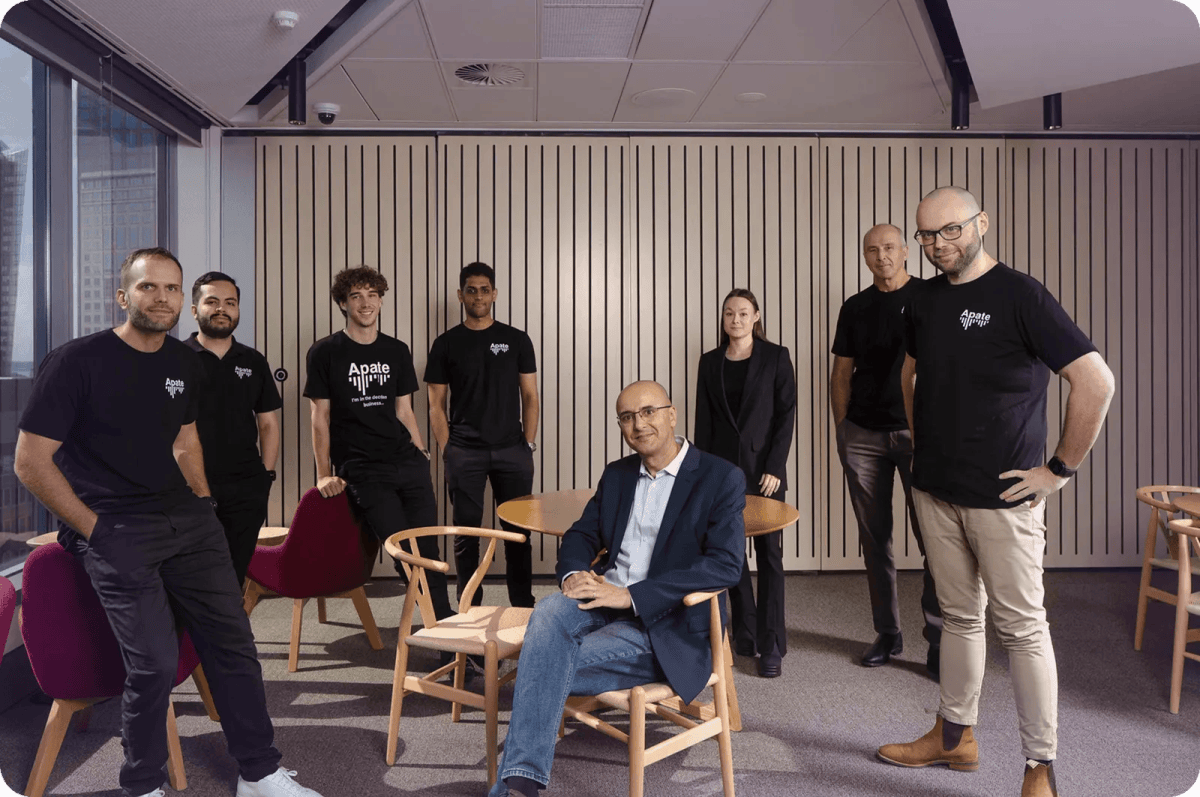
Most companies use AI agents to ship products faster or to speed up workflows. ai sends them undercover to get scammed. Founded in 2024 on the basis of research done in Macquarie University in Sydney, the Australian startup deploys thousands of AI agents that masquerade as innocent victims. The agents can answer scam calls, respond to shady messages and emails, follow phishing links, and join social media groups to bait fraudsters.
They pretend to be people of all stripes, sporting different ages, genders and accents, and speak various languages as they try to keep scammers engaged long enough to learn something useful. The company says its fleet of agents has so far wasted 17 years of scammers' time across 2.
More importantly for Apate's customer base of banks, telecom companies, government agencies and utilities, the undercover agents try to get scammers to reveal things about themselves that are usually learned only after a victim has been scammed: bank accounts, crypto wallets, phone numbers, malicious websites, the brands they're impersonating, and other details about the scams they're running. It's a curious evolution of scam-baiting, but it's not so surprising given how much AI has empowered scammers and hackers.
The FBI received more than 22,000 complaints of AI-related crimes in 2025, which resulted in about $893 million in losses. More than $632 million of that came from investment scams, in which the FBI says fraudsters use AI to run conversations, and deepfake the voices and appearances of celebrities, executives and trusted figures. For a long time, people have made a hobby out of deliberately stringing scammers along — sometimes hilariously, like getting scammers to read aloud entire books , or even to get ridiculous tattoos . Now, with AI growing increasingly capable, the tables are turning.