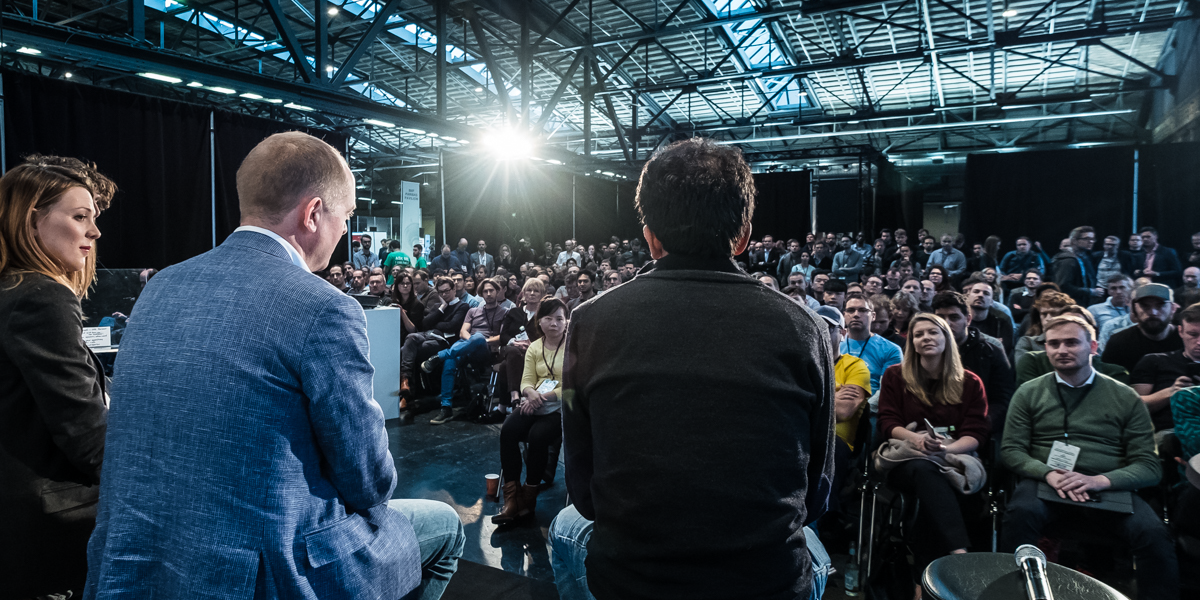
Before we dive into the next reason, secure your pass before these savings disappear after September 25 at 11:59 p. Bring a second guest at 50% off. Across three days at Disrupt, happening October 13-15 at San Francisco’s Moscone West, some of the biggest questions facing founders, investors, and technology leaders are being turned into working conversations. How do you build defensibility when an AI platform can ship into your category? What does it actually take to land a first institutional check? How should startups compete for AI talent? How do you price AI products sustainably?
When should M&A become part of your strategy? What separates a company that investors find interesting from one they are prepared to fund? These aren’t theoretical questions for the people answering them. The Builders Stage is built around the realities of building and scaling companies: fundraising, hiring, product-market fit, product strategy, and growth. Roundtables go smaller and more interactive, creating space to get into the decisions behind the headlines. Breakouts are where you go to ask direct questions to a panel of leaders.
Across the wider agenda , founders, investors, and operators are tackling questions around AI agents, enterprise adoption, fintech, infrastructure, robotics, energy, security, and the changing economics of building technology companies. The point isn’t to collect more predictions — it’s to understand how people dealing with these shifts right now are responding to them. Hear from 250+ leaders who’ve made waves across the tech ecosystem, including founders, VCs, and operators from Anthropic, OpenAI, Rivian, Cerebras, Replit, and more, alongside featured guest Mark Wahlberg.
Grab your pass now to save up to $200 before September 25 at 11:59 p. If you’re raising, you can hear investors explain what moves a company from a first meeting toward a term sheet. If you’re building, you can hear how other founders are thinking about product differentiation, AI economics, hiring, distribution, and scale. If you invest, you can see how operators are adapting their companies in real time and where new problems — and potentially new markets — are emerging.