Posted on September 1, 2026 by Atulpriya Sharma | CNCF Ambassador and Platform Engineering TCG Organizer Most platform engineering conversations tend to split into two rooms pretty quickly. The first room is full of teams who don't have a platform yet. Scattered scripts, tribal knowledge, and every team is doing the same task in a different way. The teams know something needs to change, but building a platform feels like a six-month project nobody has budgeted for. The second room has already shipped a platform. There is a golden path, developer portal, a CLI and even AI agent in some cases.
Adoption looks reasonable from the outset, but the platform team is still handling requests by hand, which becomes the bottleneck for anything outside the paved road, still wondering why "self-service" hasn't actually reduced their workload. These two might look like opposite problems, but they're not. Both rooms are describing the same thing: they don't know what the next stage of their platform interface looks like. The first room thinks the answer is to build a platform. The second room believes the answer is to add more capabilities to the platform. Neither of them is wrong.
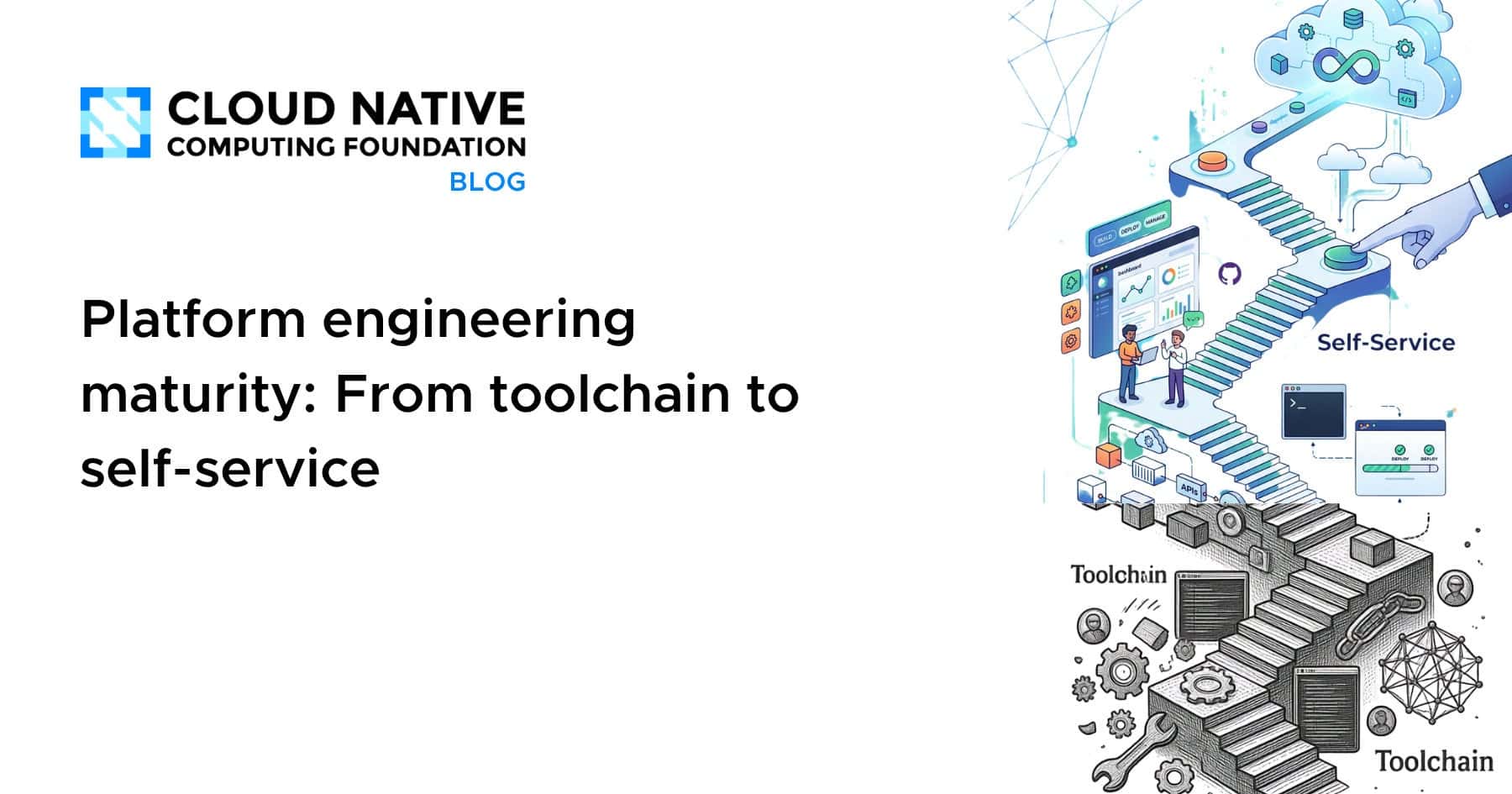
The right question isn't "Do we have a platform? " It's "How do developers actually interact with what we've built? " That gap between capabilities that exist and capabilities that are genuinely self-serviceable is an interface maturity problem. In this post, we will look at the CNCF Platform Engineering Maturity Model that defines four stages of that journey. We will break down each stage but look specifically at interfaces and understand why most teams plateau at Stage 2 without realizing it, and what the path forward actually looks like.
The CNCF Platform Engineering Maturity Model defines five aspects of platform engineering maturity: Investment, Adoption, Interfaces, Operations, and Measurement. Each is scored independently. An organization does not move through the model as a whole - it moves through each aspect on its own timeline, at its own pace. Each aspect has four levels: Provisional, Operational, Scalable, and Optimizing. The model is a diagnostic framework that tells you where you are, but it does not tell you how to get to the next stage. We'll focus on one aspect of this maturity model – Interfaces.